NPC NakaTaku PhysicalAI Robotics
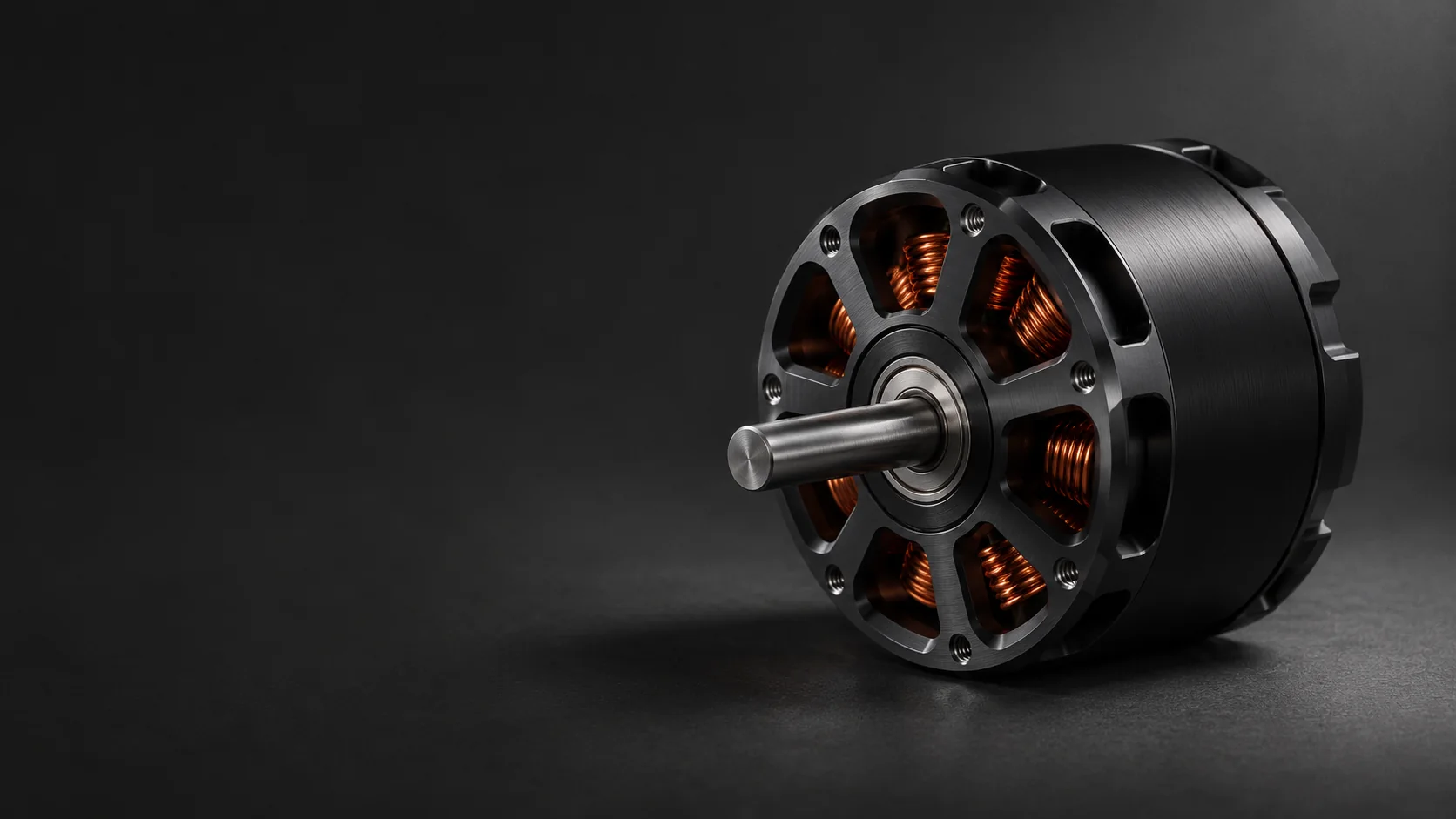
Motor development
Follow a motor from integration and prototype testing through production planning and the development of new drive methods.
Preparing the 3D model
Overview
Controls
Approach

Computers have helped us record human knowledge and use it to make decisions.
Those decisions now steady drones and move robot joints. NPC develops the motors and drive components that turn control signals into these movements.
Parts
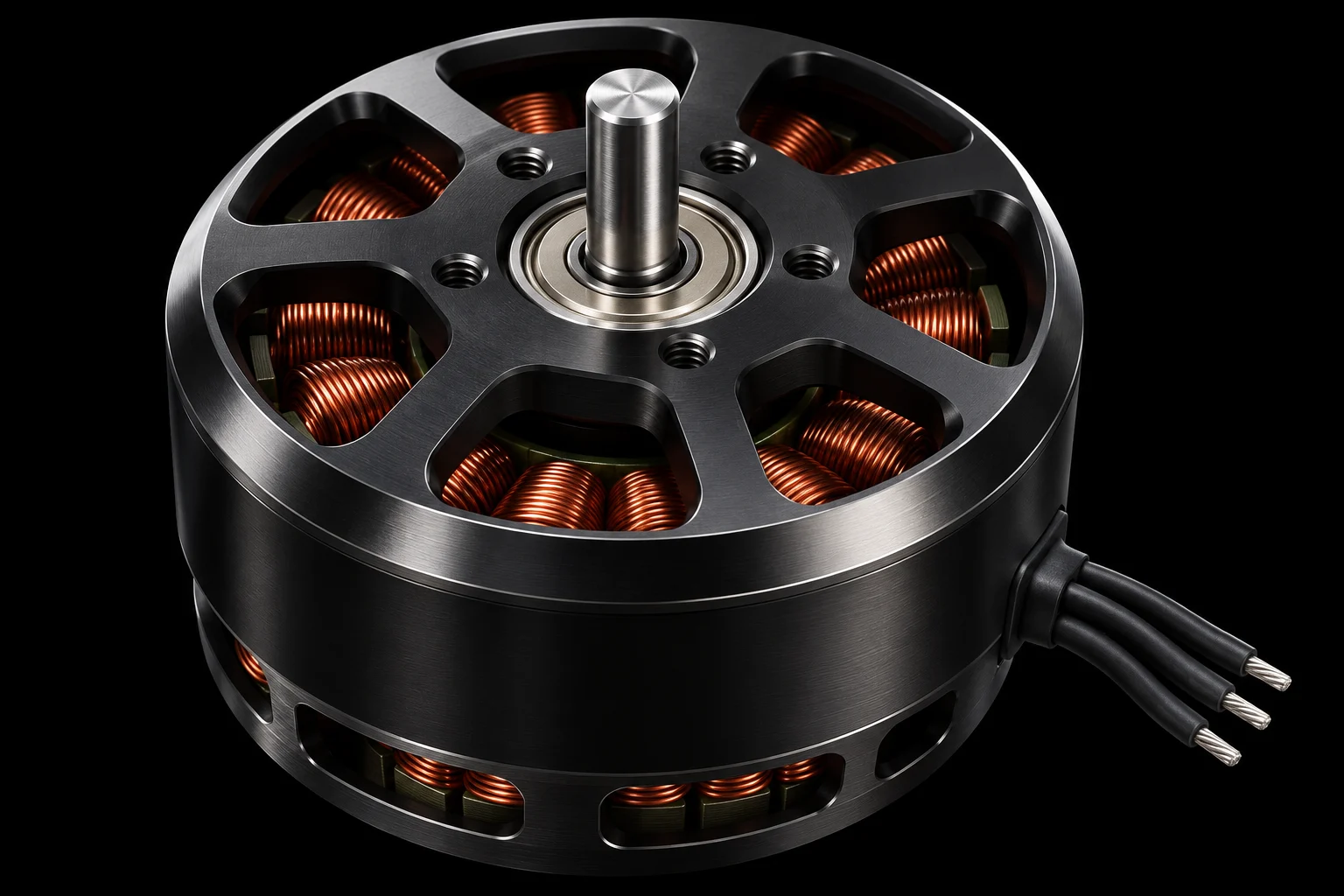
Drone motors
Example specifications
- Size
- Stator diameter 20–100 mm Propeller diameter 5–50 inches
- KV rating
- 100–3,000 rpm/V
- Type
- Outrunner / Inrunner
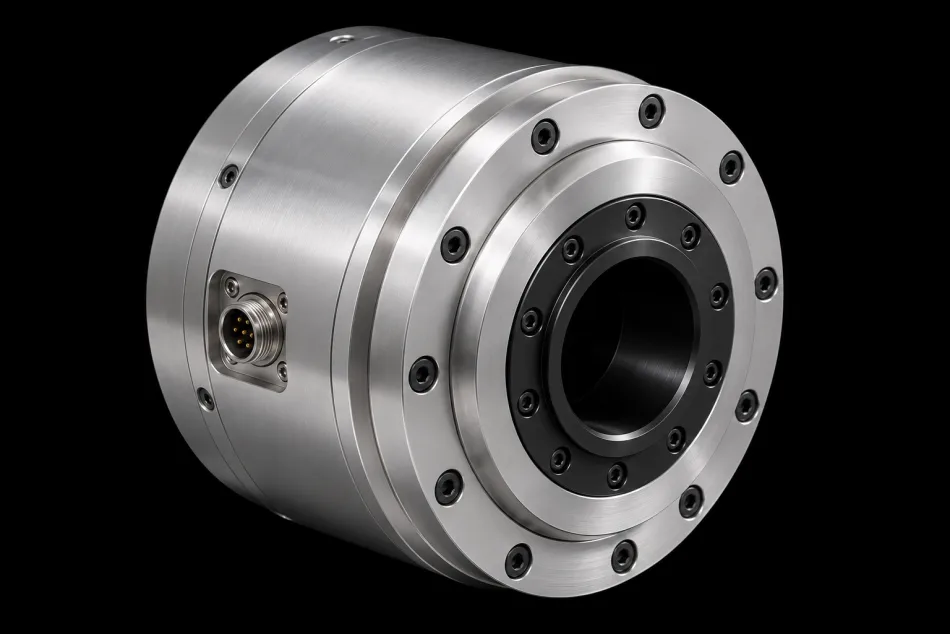
Robot actuators (coming soon)
Example specifications
- Torque
- 1–150 N·m
- Voltage
- 24–48 V
- Reduction ratio
- 6:1–12:1
Working toward sourcing and manufacturing in Japan
Japanese-made magnets
We plan to consider permanent magnets made in Japan for motor rotors. Before selecting a magnet, we intend to check the factory that processes it separately from the origin of its rare earth raw materials.
To keep the same material available as prototypes move into production, we plan to assess suppliers, lead times, and whether they can supply the required quantities on an ongoing basis.
Key components
Our planned sourcing in Japan covers electrical steel for stator cores, copper winding wire, bearings that support the shaft, and motor housings.
For each component, we intend to check the material supplier and the factory responsible for processing it. We aim to record manufacturing locations and specifications by part number so that sources remain traceable through design changes.
Manufacturing
We aim to establish a process in Japan that covers stator winding, rotor assembly and balance checks, and final assembly.
Final testing is planned to check vibration during rotation and temperature rise under load. We intend to link test results to component lots and assembly records so that we can trace variations in quality.
Use the contact form to discuss your motor or actuator project with us.
Contact usCompany profile
- Company name
- NakaTaku Inc.
- Founded
- January 2024
- Representative Director
- Takumi Nakagawara
- Headquarters
- 2F Kokai-do Building, 4-2-45 Roppongi, Minato-ku, Tokyo, Japan
- Business activities
- Development of drive components for physical AI, including drone motors and robotic actuators.